Portrait: Remy Steinegger / World Economic Forum via Wikimedia Commons, CC BY-SA 2.0
Clayton Christensen
Clayton Christensen (1952–2020) was the Kim B. Clark Professor of Business Administration at Harvard Business School and the originator of disruption theory — the framework that reshaped how businesses understand competitive threats from market entrants.
About
Clayton Christensen spent nearly three decades at Harvard Business School developing a single, counterintuitive idea: that well-managed companies fail not despite doing everything right but precisely because of it. His 1997 book The Innovator’s Dilemma named the mechanism — disruptive innovation — and gave executives a vocabulary for the competitive threats that traditional analysis missed. The Economist called him “the world’s most influential management thinker of his time.” Steve Jobs, Andy Grove, and Jeff Bezos each credited Christensen’s framework as load-bearing to how they thought about their companies.
Before academia, Christensen co-founded Ceramics Process Systems Corporation with MIT researchers, competing directly against DuPont and Alcoa in advanced materials manufacturing. That operational grounding shaped his research method: he was interested in mechanisms, not metaphors. His theory of disruption was built from granular industry studies — disk drives, steel, excavators — not executive anecdote. It earned him two McKinsey Awards for best Harvard Business Review article of the year.
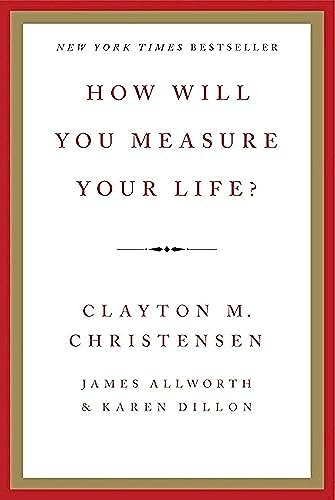
Late in life, facing a series of health crises including a heart attack, cancer, and a stroke, Christensen applied his business frameworks to the question he considered more important than market strategy: how to evaluate a life well spent. That project became How Will You Measure Your Life? — an argument that the same resource-allocation logic governing corporate failure also governs personal drift. He died on January 23, 2020. The Clayton Christensen Institute for Disruptive Innovation continues his research on education, healthcare, and economic development.