Viktor E. Frankl
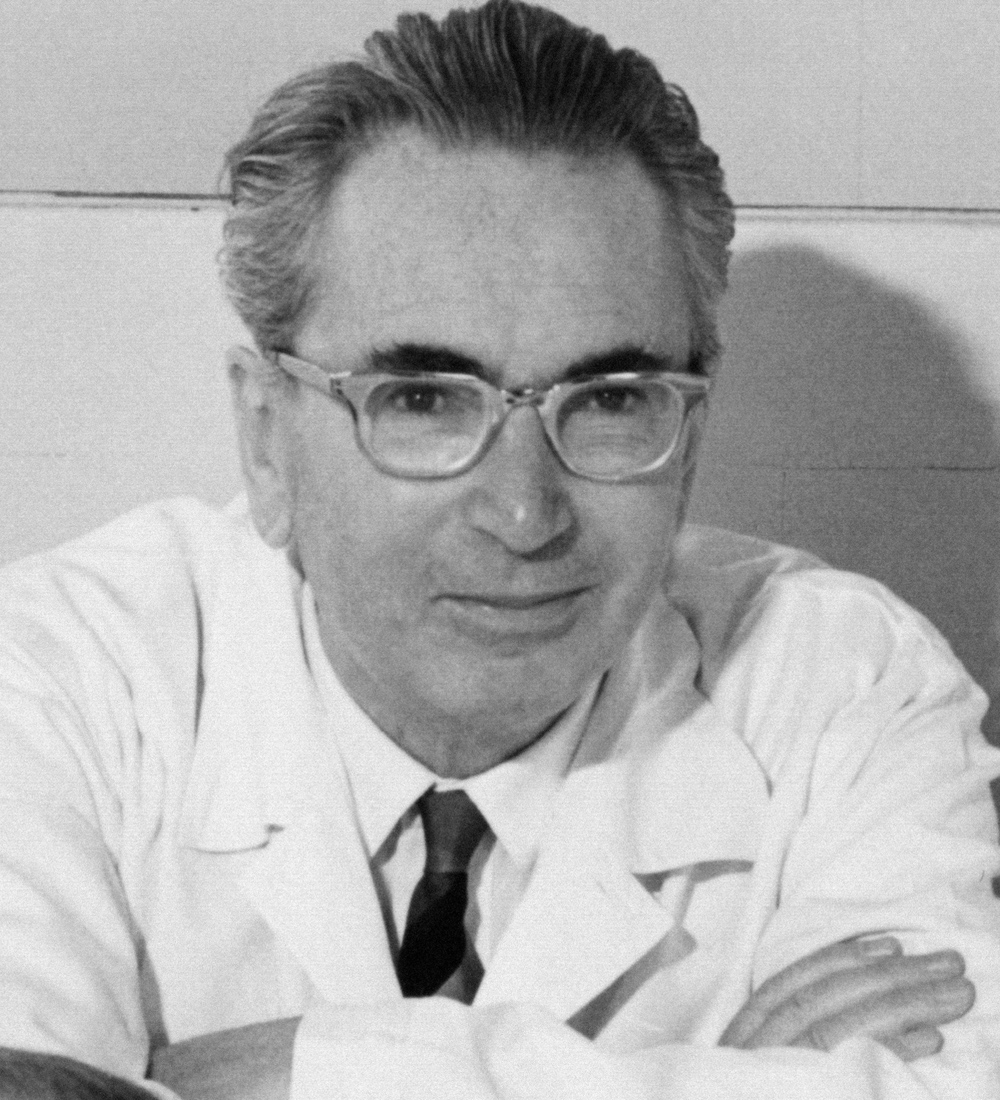
Austrian psychiatrist and Holocaust survivor who founded logotherapy, the school of psychotherapy built on the primacy of meaning as the human motivational core.
About
Viktor Emil Frankl was born on March 26, 1905, in Vienna, into a Jewish civil servant family in what was still the Habsburg Empire. He showed his intellectual trajectory early: by his mid-teens he was corresponding with Sigmund Freud, who arranged for one of Frankl’s early papers on the psychology of philosophical worldviews to be published in the International Journal of Psychoanalysis. He studied medicine at the University of Vienna, where he also studied under Alfred Adler before breaking from both Freud and Adler to develop a third direction in Viennese psychotherapy. He had articulated the theoretical foundations of logotherapy by the 1930s, well before the events that would make the framework famous.
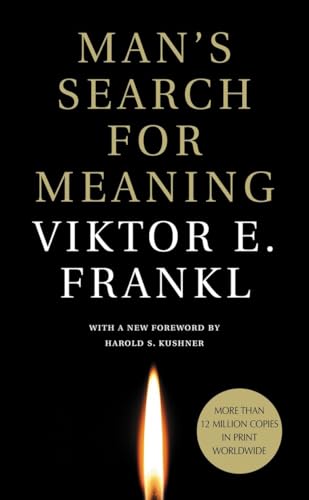
In September 1942, Frankl was deported with his family to Theresienstadt. His father died there. In October 1944, he was transported to Auschwitz; his wife Tilly was sent to Bergen-Belsen, where she died. His mother was killed at Auschwitz. His brother Walter died in a forced labor camp. Frankl survived Kaufering III and Türkheim, two camps affiliated with the Dachau complex, and was liberated in April 1945. He was the only member of his immediate family to survive. He returned to Vienna and dictated Ein Psychologe erlebt das Konzentrationslager — published in English as Man’s Search for Meaning — in nine days. He completed the book partly as an act of grief, partly as a test of whether his theoretical framework had survived contact with its ultimate counterevidence. He concluded that it had.
After the war, Frankl chaired the Department of Neurology at the Vienna Polyclinic Hospital, a position he held for twenty-five years. He lectured at Harvard, Stanford, Duquesne, and over 200 other universities across five continents, delivering his last lecture at the age of 90. He received 29 honorary doctorates and was awarded the Austrian Cross of Honour for Science and Art. He earned his pilot’s license at 67 and climbed an Alpine peak at 80.
Man’s Search for Meaning has sold over 16 million copies in 24 languages. The Library of Congress named it one of the ten most influential books in America. Frankl died in Vienna on September 2, 1997. His work shaped not only logotherapy but the broader fields of existential psychology, positive psychology, and meaning-centered therapy. Paul Wong’s meaning-centered counseling and Michael Steger’s empirical research on meaning in life are among the most direct intellectual successors to the framework Frankl built inside the camps.