Peter F. Drucker
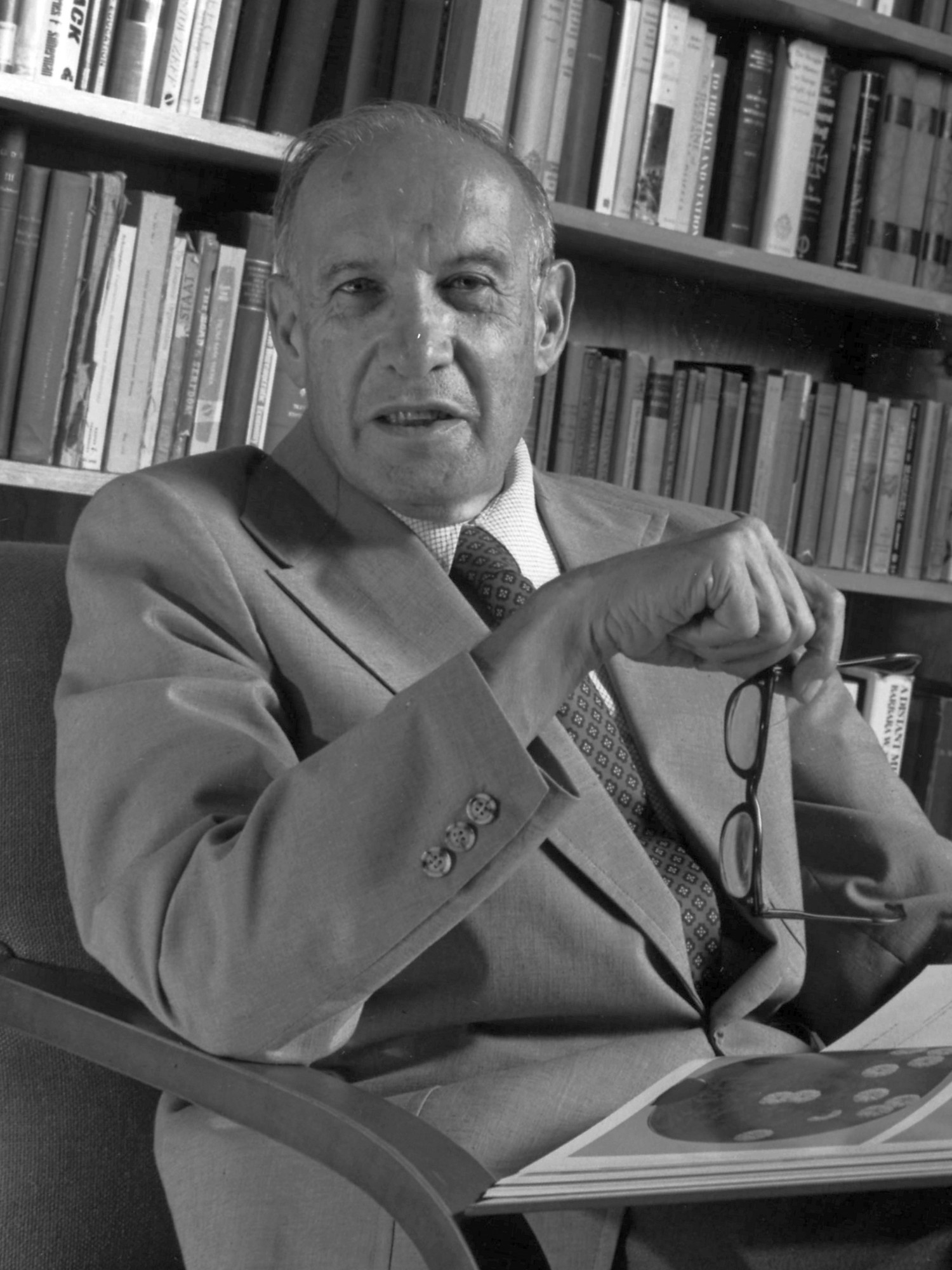
Peter F. Drucker (1909–2005) invented management as an intellectual discipline, coined the term "knowledge worker," and wrote 39 books across six decades spanning corporate strategy, nonprofit leadership, and political theory.
About
Peter Ferdinand Drucker was born on November 19, 1909, in Vienna, Austria, into a cultivated professional household — his father, Adolph Drucker, was a lawyer and senior civil servant; his mother, Caroline, had studied medicine. He grew up in an environment where Sigmund Freud, Joseph Schumpeter, and Ludwig von Mises were occasional dinner guests, a fact that shaped his early understanding of ideas as things that produce consequences in the world. He earned a doctorate in international and public law from the University of Frankfurt in 1931. When Hitler was appointed Chancellor two years later, Drucker left immediately, recognizing what was coming before most of his contemporaries did. He spent four years in London working as a financial journalist and securities analyst, then moved to the United States in 1937. He became a U.S. citizen in 1943.
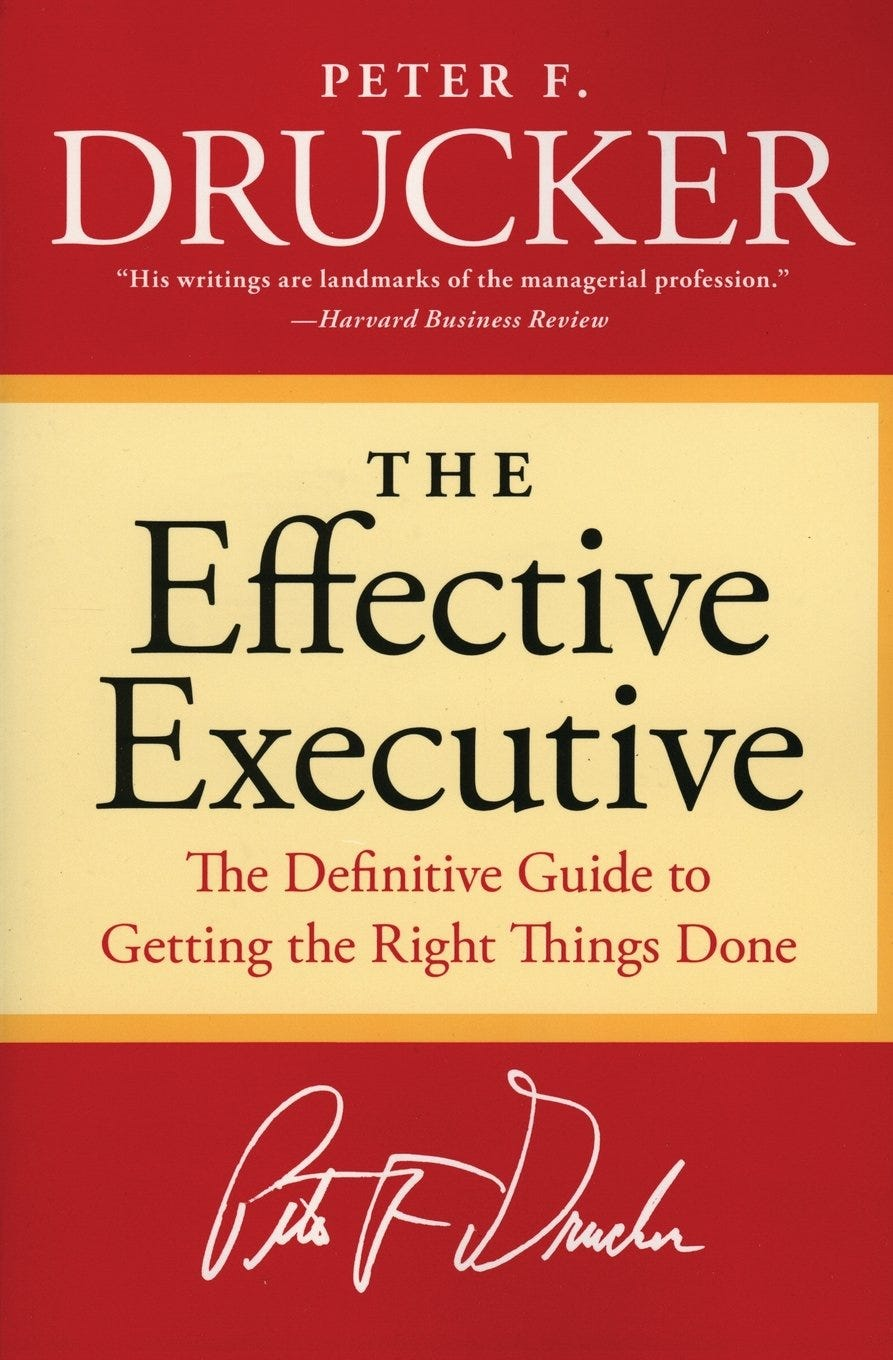
His first major book, The Concept of the Corporation (1946), emerged from an eighteen-month study of General Motors commissioned by Alfred Sloan. Drucker was the first outsider ever given unrestricted internal access to a major American corporation. The resulting analysis — of decentralization as GM’s organizing principle, and of the tensions between organizational efficiency and human dignity — both defined the field of management studies and annoyed GM’s leadership sufficiently that the company banned the book internally. From that starting point, Drucker built an argument across 39 books and hundreds of articles: that management is not a technique but a discipline with its own body of knowledge, ethical obligations, and intellectual demands, and that getting it right matters as much as any other human institution. The Practice of Management (1954) established the canonical framework. The Effective Executive (1967) turned the argument toward the individual. Innovation and Entrepreneurship (1985) extended it into change and new venture creation.
He joined the faculty at Bennington College in Vermont in 1942, moved to New York University’s Graduate School of Business in 1950, and taught there for two decades. In 1971 he joined Claremont Graduate University in California, where he remained until his death. The management school was renamed the Peter F. Drucker and Masatoshi Ito Graduate School of Management in 1987. His consulting practice ran concurrently throughout — he advised executives at IBM, General Electric, and Procter & Gamble, as well as leaders of nonprofit organizations and government agencies. He treated each engagement as a research opportunity as much as a service, which is why his books read like they were assembled from real organizational experience rather than theory applied to case studies.
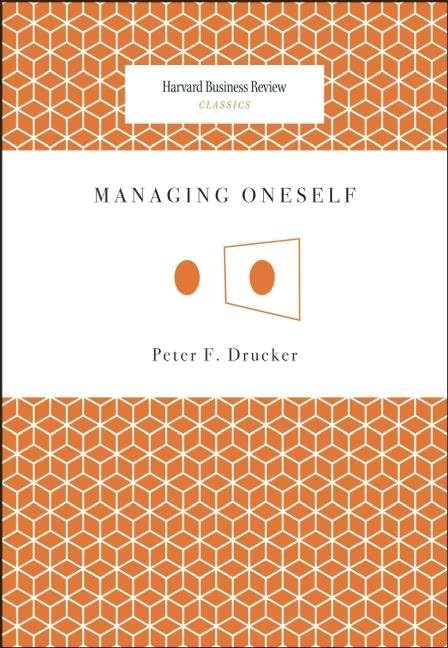
The term “knowledge worker” — a person whose primary output is information, ideas, and judgment rather than physical goods — appeared in The Landmarks of Tomorrow in 1959. Drucker argued then that the shift from manual to knowledge work was the central economic and social transformation of the twentieth century, and that it would require entirely new management frameworks because knowledge workers could not be managed the way factory workers could be managed. They had to manage themselves. This argument, developed over the following four decades, culminated in the 1999 HBR article that became Managing Oneself. He died on November 11, 2005, in Claremont, California, eleven days before his ninety-sixth birthday, having delivered the manuscript of his final book to his publisher two weeks earlier.